What is One-Punch Man about?
Saitama is a hero who can defeat enemies with one punch. Since he is bored and wants recognition, he joins the Hero Association.
Saitama can end any fight in one hit; the series asks what a hero does after the challenge disappears.
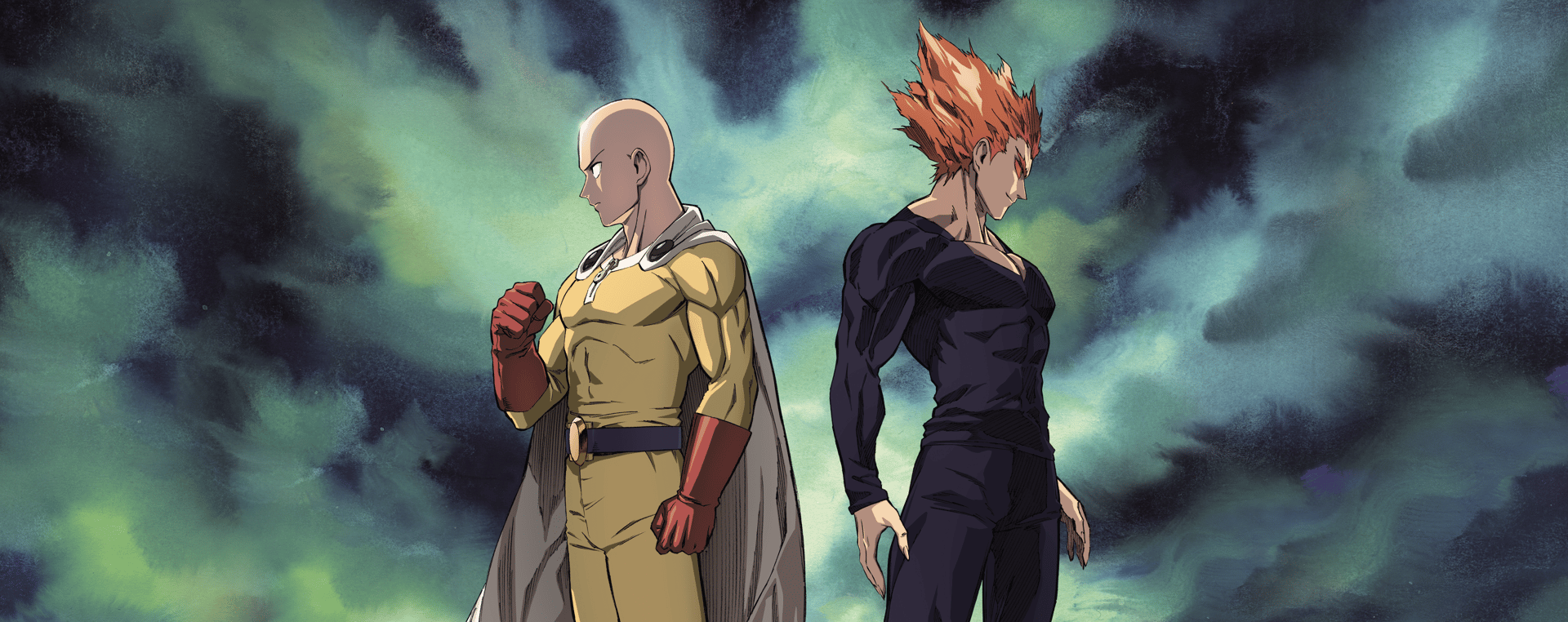
One-Punch Man flips the superhero power fantasy inside out: Saitama can defeat almost anyone with one hit, so the real problem is not winning but finding purpose, recognition, and a reason to care. The jokes land because the surrounding heroes, villains, and institutions treat every crisis as monumental. When the cast and action carry the episode, the show is electric; when Saitama’s gag has to stretch across a long arc, tension can thin out.
Dreaming Anime is a Trinidad-rooted, Caribbean anime publication for fans worldwide.
After three years of training, Saitama can defeat enemies with one punch. That should make him the ultimate action hero. Instead, he is bored, under-recognized, and looking for a fight that can make him feel something. The gap between his ridiculous strength and ordinary emotional life is the series’ central joke—and its most human idea.
One-Punch Man understands that a hero story is not only about the strength of the enemy. It is also about what the hero values, who notices their work, and how a person keeps moving when success has become automatic. Saitama’s deadpan reactions make spectacle funny, while the world around him supplies the urgency he no longer feels.
Genos gives Saitama a devoted student and a useful contrast: where the teacher is casual, the cyborg hero is focused, ambitious, and constantly measuring progress. The Hero Association and its ranking system add another layer of satire, turning public reputation and official status into their own kind of battle.
The supporting heroes are essential because they can lose, worry, train, and make costly decisions. Their stories restore suspense without weakening the central gag. When the show lets these characters meet danger on their own terms, the fights can be thrilling even when Saitama’s eventual arrival is inevitable.
The premise is brilliant, but it creates a structural challenge. If Saitama ends every fight at once, the series has to build meaning around the people who cannot. Some stretches manage this with a compelling supporting cast and escalating threats; others spend a long time setting up a payoff that the main character can resolve in seconds.
The result can vary from exhilarating parody to slower action drama. Animation and pacing also shift across seasons and arcs, so not every set piece has the same visual impact. The show is strongest when it remembers that its deeper target is the idea that a heroic life can be measured by rankings, headlines, or the size of an opponent.
One-Punch Man is a sharp superhero comedy with enough real action and character to outlast its central joke. Saitama’s overwhelming strength is funny, but the series becomes memorable through the people still struggling around him—and the gap between doing good and being recognized for it. Viewers who want constant suspense from the lead’s fights may find the premise limiting; fans of satire, striking battles, and a spirited ensemble will find a lot to enjoy.
Saitama is a hero who can defeat enemies with one punch. Since he is bored and wants recognition, he joins the Hero Association.
Yes, if you enjoy action comedy, superhero satire, and a large supporting cast. The side characters help carry tension when Saitama can end a fight immediately.
Crunchyroll has an official series listing. Availability and language options vary by region.
Crunchyroll marks the series as not recommended for viewers under 14 and lists violence, profanity, and smoking in its content advisory.
One-Punch Man DXF Premium Genos Figure
Collectible figure from the One-Punch Man anime.
Saitama figure listings
Browse One-Punch Man figures on Amazon US.
Open One-Punch Man on Crunchyroll →